
80

8,635

554

11,164

1,300

15,600

137

676

29
29 legal practitioners from 13 different countries benefitted from ERA’s scholarship programme.

37,000
Profession of participants
Open events:
3,564 participants
EU-funded events:
2,593 participants
Other contract events:
560 participants
Operating income & expenditure
INCOME
Total: €8,508,469.39
ERA generated more than 52.47% of its income itself.
EXPENDITURE
Total: €8,781,517.34
The Deficit shown in our Balance Sheet reflects partially our stratgic decision to realise additonal targeted investments covered by past surpluses.
Events & participants
Participants 2025
Highlights 2025
A Year of Innovation, Impact & Legal Excellence:
Key Highlights of 2025
Fundamentals of EU State Aid Law
January 2025 | Online seminar
This intensive course brought together experts from EU institutions, international law firms, and universities to help practitioners better understand the rules for EU State aid. The programme gave participants the skills to deal with complicated rules, and public support measures that encourage innovation while keeping the EU internal market fair. It did this by looking at the legal framework, key ideas, and ways to enforce them. Participants learnt about how State aid can help strategic sectors, the green transition, and technological progress through hands-on workshops and case studies. The programme also discussed how the European Commission and national courts ensure the clear and effective use of public money. Participants learnt about compatibility assessments, block exemptions, and how to design funding schemes that promote responsible investment and innovation by looking at real cases and CJEU case law. In general, the training helped lawyers come up with State aid measures that support long-term growth and competition in the EU.
Migrants in European Family Law
February 2025 | Online seminar
This online seminar explored the intricate legal issues at the intersection of European family and migration law, particularly focusing on the portability of migrants’ personal status, including the recognition of marriage and divorce. Participants engaged in discussions regarding the protection of migrant children in Europe, with a specific emphasis on the care and guardianship of unaccompanied minors. They also familiarised themselves with the recent case law from the European Court of Human Rights (ECtHR) concerning family, migration, and family reunification matters. The event saw the participation of 42 individuals from 22 different countries. The programme was structured in a 20/20 format, allocating 20 minutes for each presentation followed by 20 minutes for discussion, with two breaks scheduled during the morning sessions. This format proved to be highly effective and will be adopted for future online conferences.
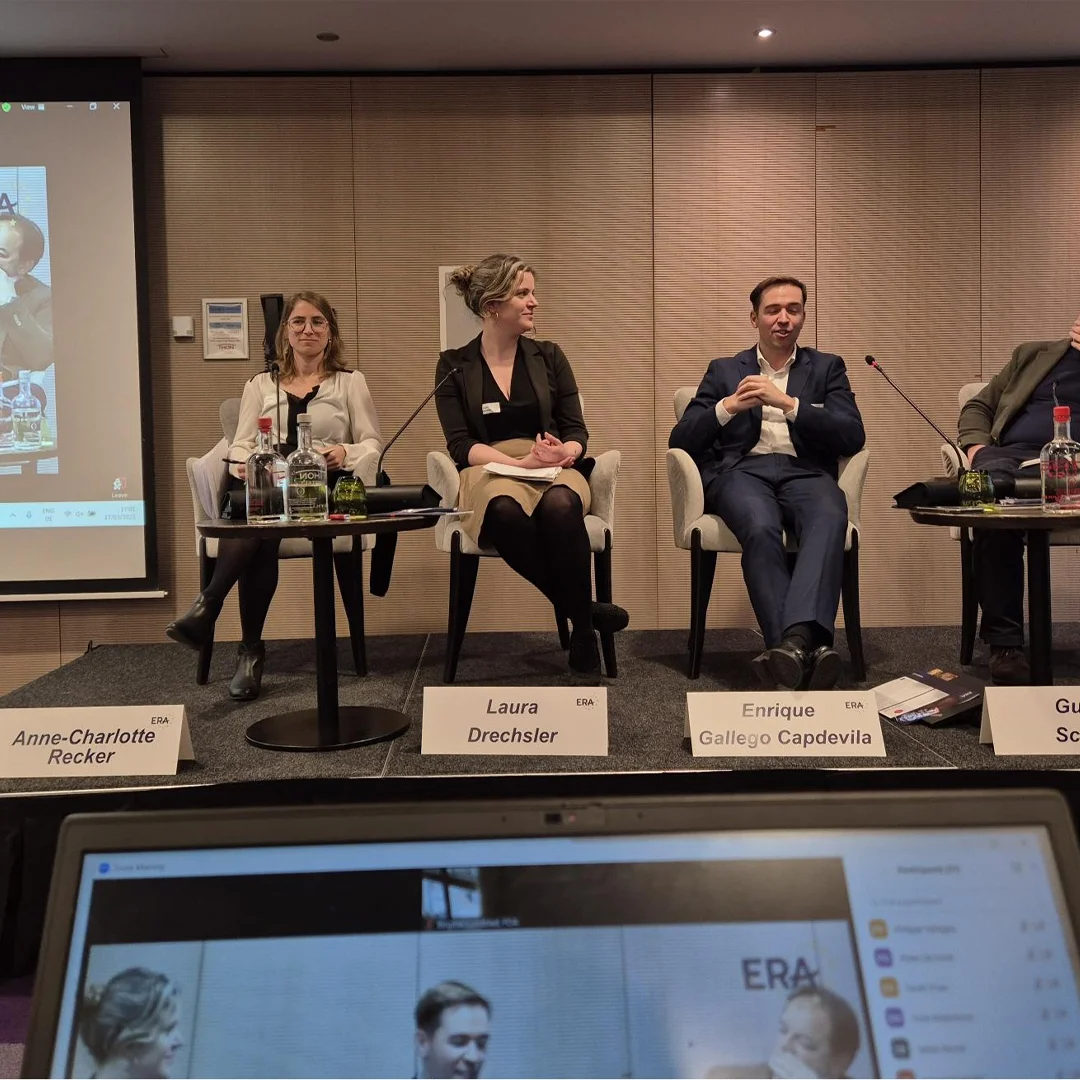
Annual Conference on EU Data Protection Law
March 2025 | Hybrid in Brussels
The aim of this conference was to focus on the new legislative instruments adopted in 2024, specifically the European Union Act on Artificial Intelligence and the Council of Europe Framework Convention on AI. Discussions centred on the role and impact of fundamental rights in AI governance, as well as the application of AI within justice systems. The 64 participants engaged in exploring the potential future of international and European AI governance, along with data governance.
The 40th Anniversary of the Schengen Area
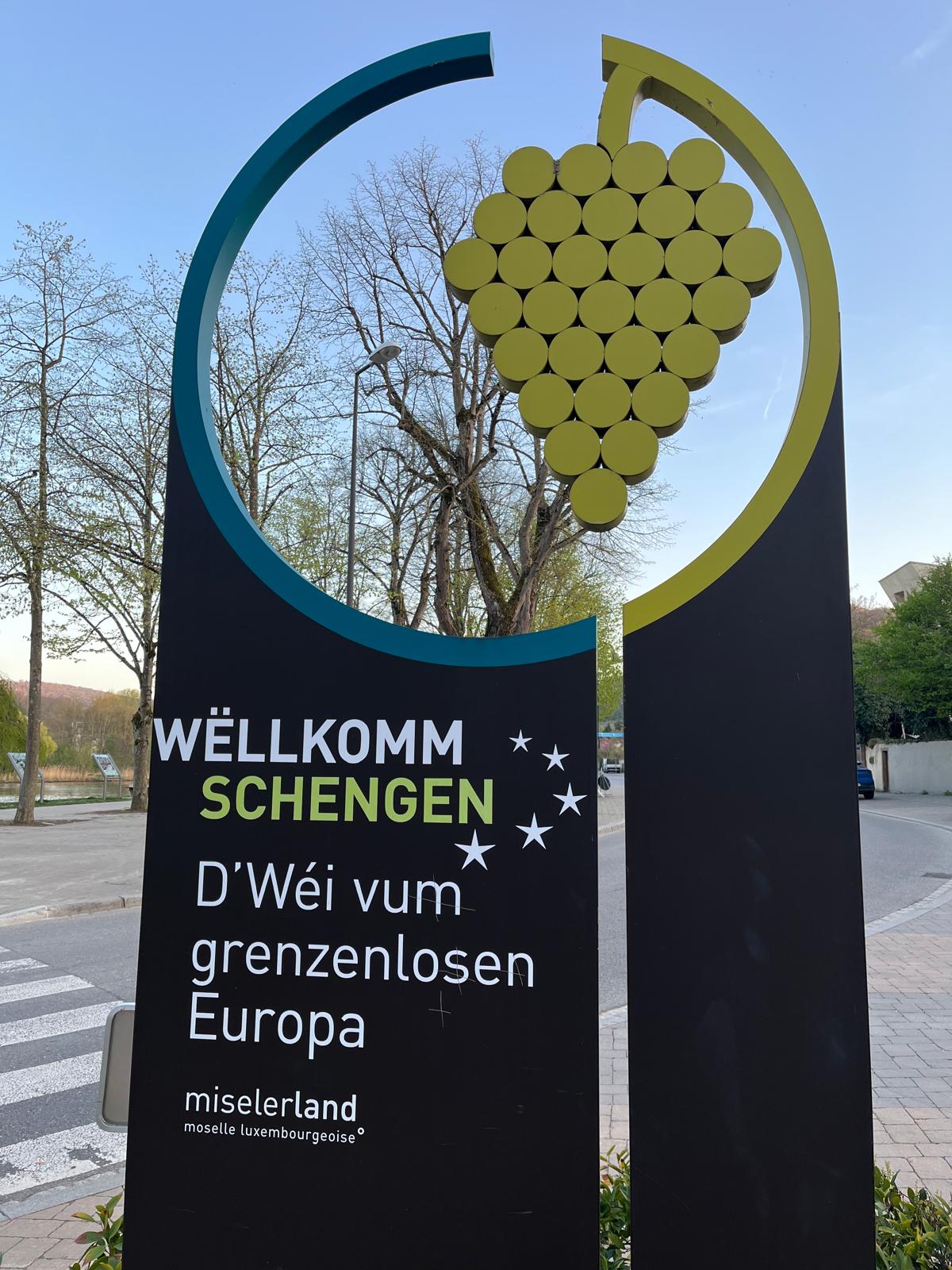
April 2025 | Hybrid in Trier
The Annual Conference on EU Border Management examined the latest legislative files and priorities aimed at strengthening border management systems and their interoperability. This included discussions on matters arising from the EU Pact on Asylum and Migration, as well as the new EU proposal for a regulation establishing a common system for returns and its implications for Schengen governance. A critical analysis was presented regarding the state of Schengen in its 40th year, reflecting on lessons learned from a decade of crises in efforts to safeguard the Schengen area, fundamental values, and European security. The conference also looked at how the EU’s databases for managing borders have changed over time and discussed Frontex’s work, including the latest trends and routes for migration, risk assessments, operational updates, and the protection of basic rights. Recent advancements in countering migrant smuggling were also discussed. The event brought together border guards from Member States, law enforcement officials, academics, representatives from NGOs, and EU officials. Attendees who joined in person were treated to dinner in Schengen and a tour of the European Museum Schengen, along with historical sites associated with the signing of the Schengen Agreement.
Artificial Intelligence (AI) and ‘Smart’ Criminal Justice Systems
June 2025 | Hybrid in Lisbon
Artificial intelligence (AI) is impacting the criminal justice systems by enhancing accuracy, efficiency, and fairness in decision-making processes. ‘Smart’ criminal justice systems use AI to make predictive policing better and help lawyers by giving them data-driven insights. These advancements have the potential to reduce human error, combat bias, and allocate resources more effectively. However, it is imperative that AI is implemented ethically, safeguarding against biases and protecting individual rights to maintain public trust in these transformative technologies. The conference discussed possible solutions for remedying the risks posed by AI and robotics in the criminal justice domain. The seminar, hosted by the Portuguese Centre of Judicial Studies (CEJ), was attended by 66 participants, of whom 50 were present face-to-face in Lisbon and 16 attended online. It discussed possible solutions for remedying the risks posed by AI and robotics in the criminal justice domain, such as implementing guidelines for ethical AI use, enhancing transparency in AI decision-making processes, and ensuring accountability for AI-driven outcomes.
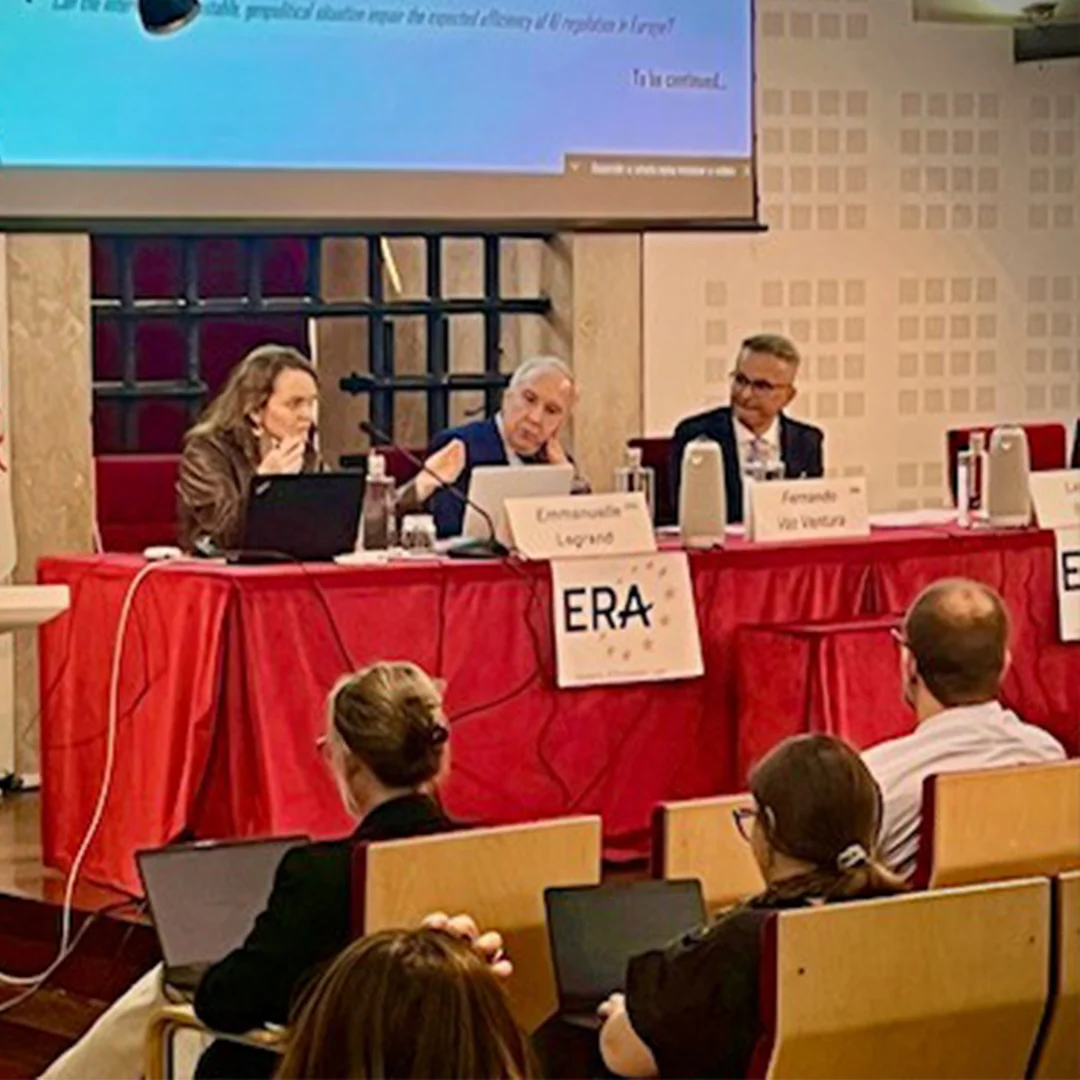
The 34th Meeting of the Board of Trustees
June 2025 | Hybrid in Trier
At the meeting chaired by Marc van der Woude, ERA’s management provided the Board with updates on recent institutional developments and trends in training programmes, focusing on both methodology and content. ERA had initiated a consultancy project with The Hague University of Applied Sciences, where students conducted research on legal professional training methodologies and the needs of younger generations. This research examined how to adapt ERA’s training programme for digital natives, a topic discussed by the Board. Another item on the agenda was a research paper prepared by students from Queen Mary University, which assessed ERA’s sustainable business strategy as part of its goal to achieve CO₂ neutrality. Additionally, further working groups deliberated on how ERA could enhance its appeal as an employer and discussed ERA’s strategy regarding EU Candidate Countries, along with programme activities planned for 2026.
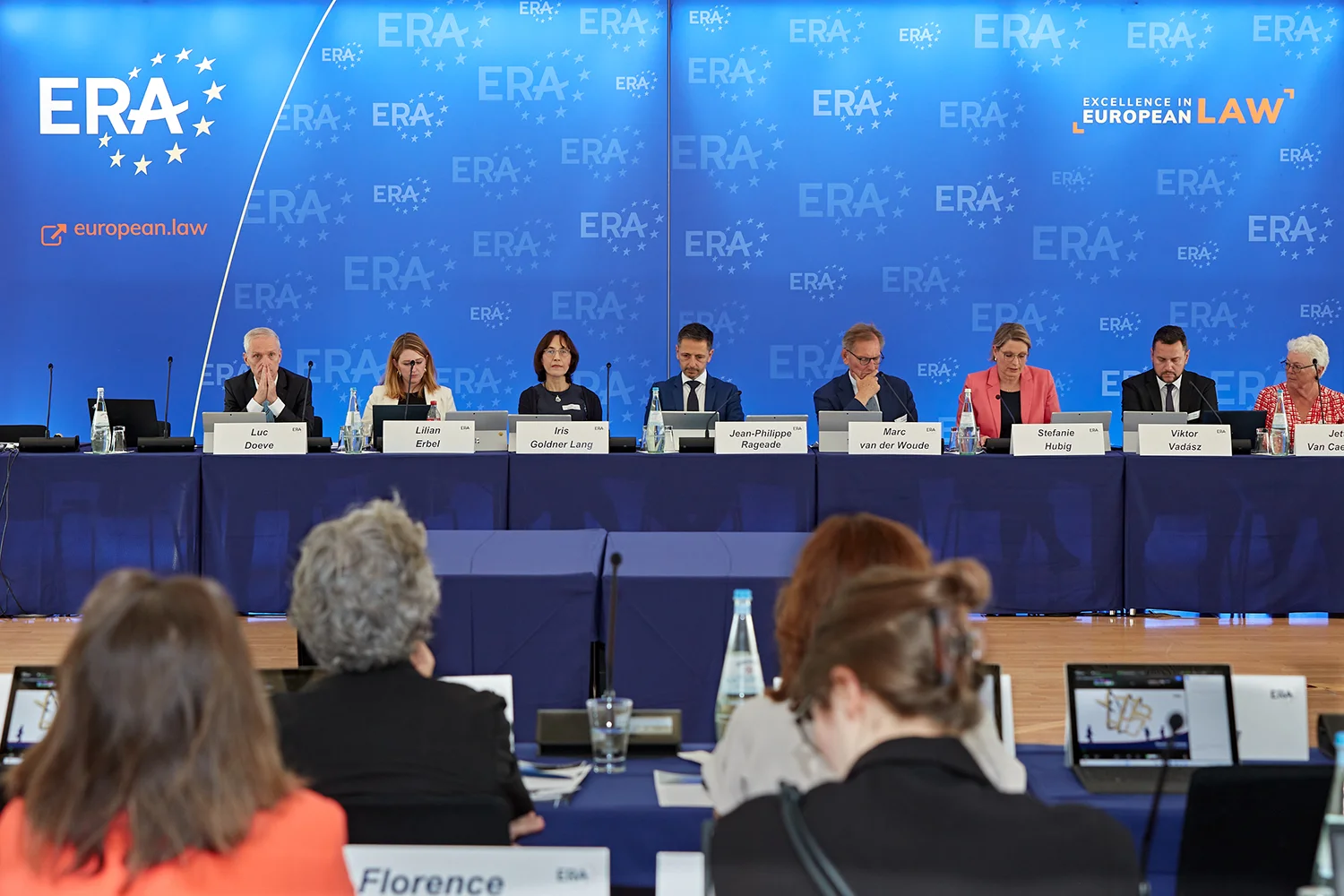
Board of Trustees
Seminar on Countering Corruption in the EU and Albania
June 2025 | Tirana
ERA organised the event at the request of the Albanian School of Magistrates, hosting 30 participants, consisting of Albanian judges, public prosecutors, and law enforcement officers. The event provided attendees with pertinent facts and figures regarding corruption and its connection to the broader issue of organised crime. An analysis was presented on the current and future legal and regulatory frameworks designed to combat corruption within the EU and Albania, alongside an explanation of the law enforcement and judicial challenges faced in addressing this crime. Additionally, case studies and promising practices for countering corruption were shared. ERA enlisted various judicial and law enforcement experts from Member States as speakers, along with specialists from relevant EU agencies, bodies, and the European Commission. The Albanian School of Magistrates appointed a judge from the Albanian Supreme Court, who is also a member of the High Judicial Council, to speak at the event.
Data Protection & Law Enforcement: Europol EDEN Conference
September 2025 | Valletta
This annual flagship event brought together leading experts from data protection, law enforcement, technology, and fundamental rights to tackle the growing challenges at the intersection of security and privacy. The theme for 2025, ‘Red Light, Green Light – Reduce Complexity, Increase Speed, Defend EU Values’, highlighted Europol’s strategic focus on improving efficiency, clarifying regulations, and safeguarding fundamental rights. The title drew inspiration from terminology commonly used in the fields of data protection and cybersecurity, while also emphasising the significant consequences that data-related decisions can entail, especially in fast-paced, high-pressure situations.
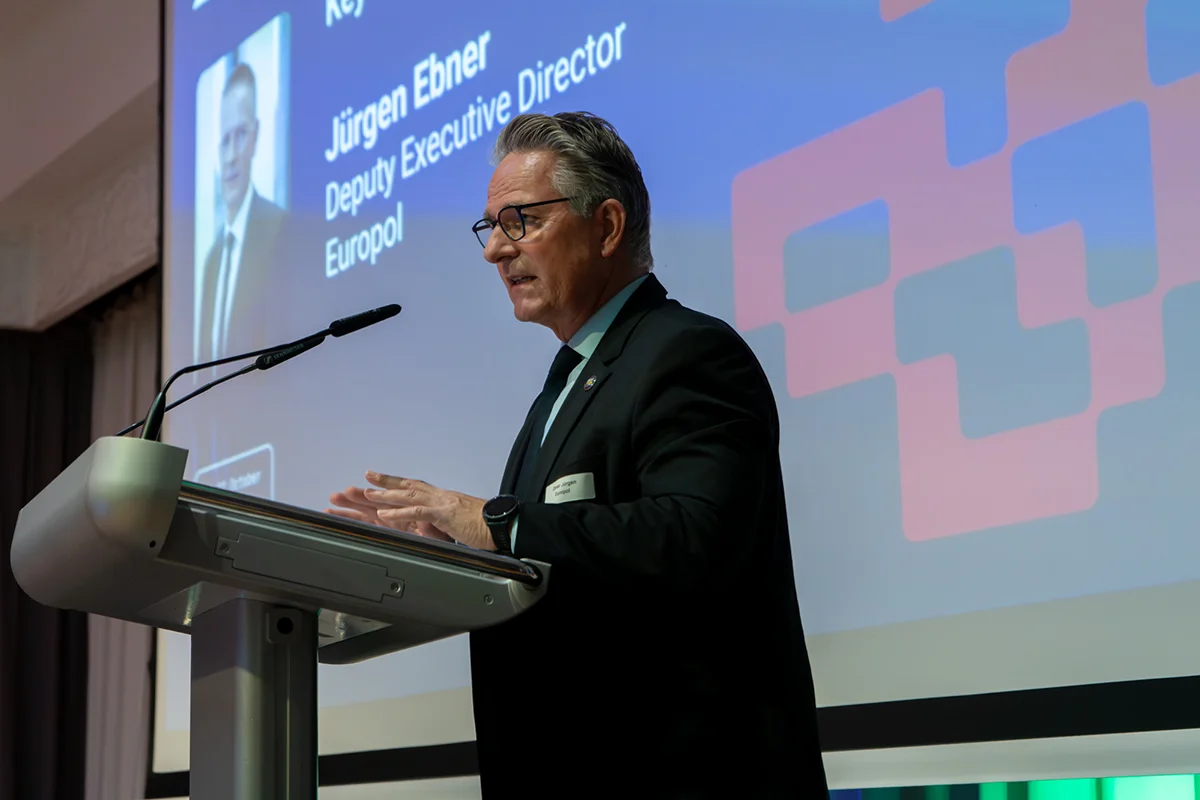
Europol EDEN Conference - September 2025
Steps to Create a Baltic Network of EU Experts
October 2025 | Trier and Luxembourg
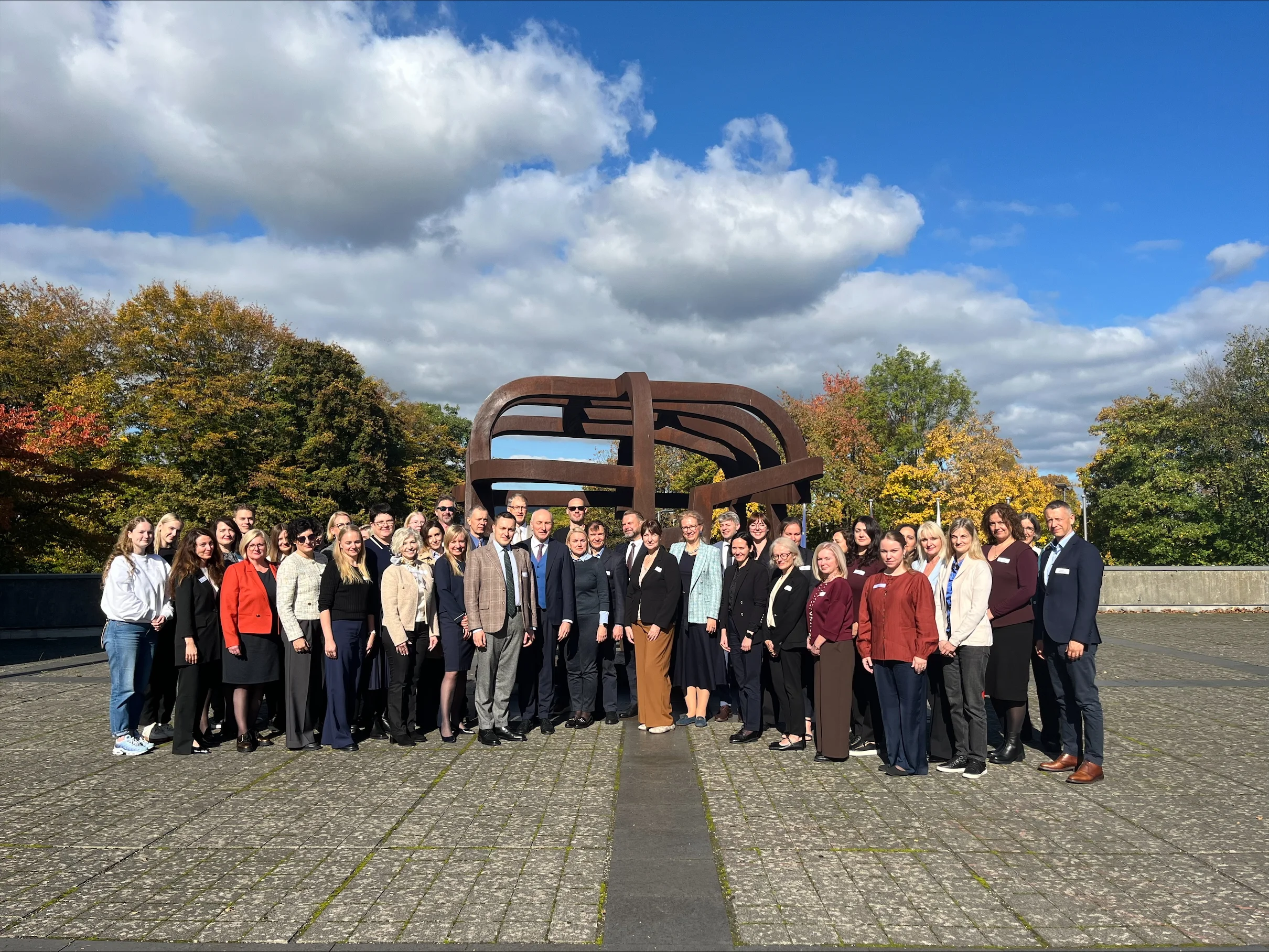
The study visit of judges and prosecutors from Estonia, Latvia, and Lithuania marked the conclusion of the project focused on advanced training in EU law. This project took place in 2024 and 2025 and included three national seminars, each lasting 2.5 days, in Riga, Tallinn, and Vilnius. There was also a week-long study visit to Trier and Luxembourg. During the study visit, various working sessions were conducted covering topics such as the rule of law, the preliminary ruling procedure before the Court of Justice of the EU, and the application of EU law within national contexts. The main goal was to improve the consistent and effective use of EU law by judges of all types. Additionally, a session was dedicated to designing effective judicial training for trainers within national judiciaries. To further encourage judges and prosecutors from the Baltic states to establish national networks of experts in European law, participants had the opportunity to learn about the organisation of networks of court coordinators in several Member States. At the end of the programme, participants were invited to reflect on and design a network within their respective professional groups. The judges visited the Court of Justice of the European Union, where they participated in a hearing and engaged in discussions with judges from both the Court of Justice and the General Court. Meanwhile, the group of prosecutors visited the European Public Prosecutor’s Office and also met with representatives from the Chief Public Prosecutor’s Office of Luxembourg and the District Court of Luxembourg.
Posting of Workers
October 2025 | Hybrid in Copenhagen
This seminar was held in Copenhagen, supported by the Association of Danish Employment Lawyers, and brought together 79 legal professionals and experts to discuss the legal and practical challenges related to cross-border labour mobility and the posting of workers within the European Union. The programme addressed key issues, including multi-state activities and pertinent case law; the European Commission’s proposal for an EU-wide e-declaration portal for posted workers; the posting of temporary agency workers; the posting of third-country nationals; and the ongoing discussions surrounding subcontracting chains.
Annual Conference on European Family Law
October 2025 | Hybrid in Budapest
Following the successful Annual Conference on European Family Law 2024 in Barcelona, the 2025 edition took place in Budapest in cooperation with the National Office for the Judiciary of Hungary. By hosting our regular conferences in different venues across Europe, we aim to bring our training activities closer to participants and their professional communities. The Annual Conference held in Budapest exemplified this approach, enabling judges from Hungary to attend more easily and engage directly with colleagues and experts from all over Europe. In terms of content, the conference focused on cross-border maintenance law and recent family law case law of the CJEU and the ECtHR, covering various areas of European family law.
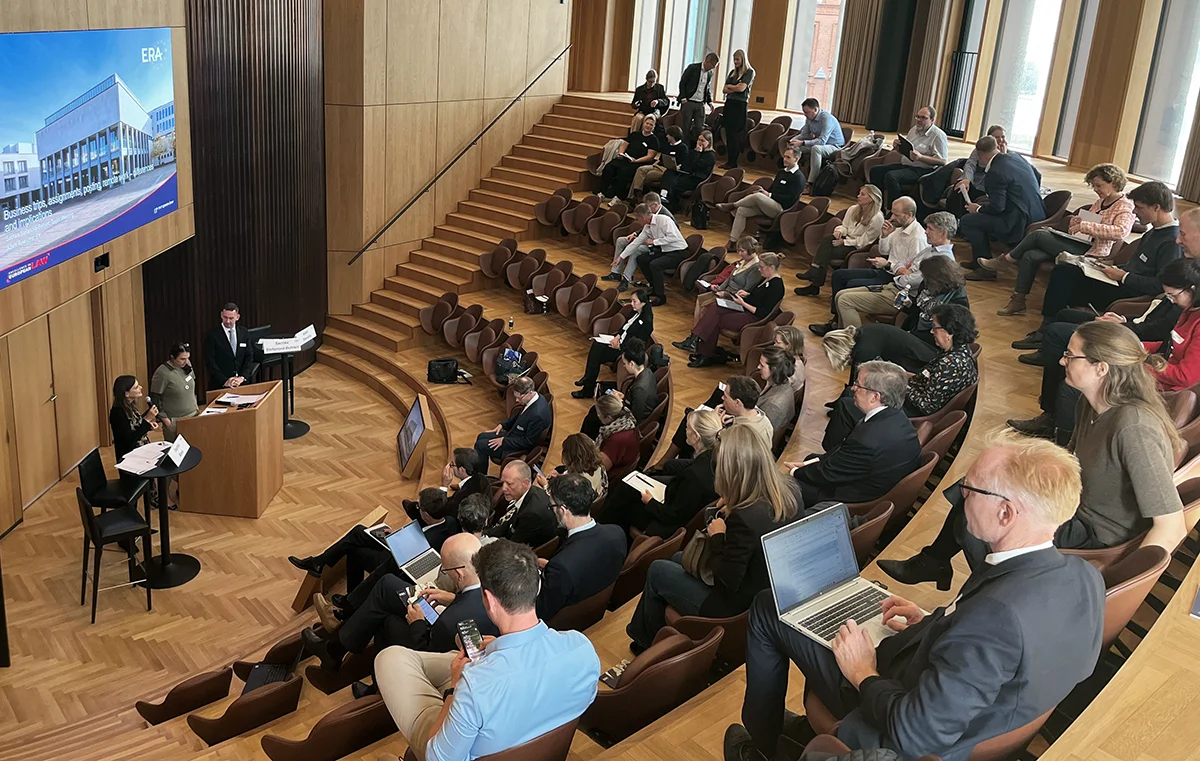
Posting of Workers
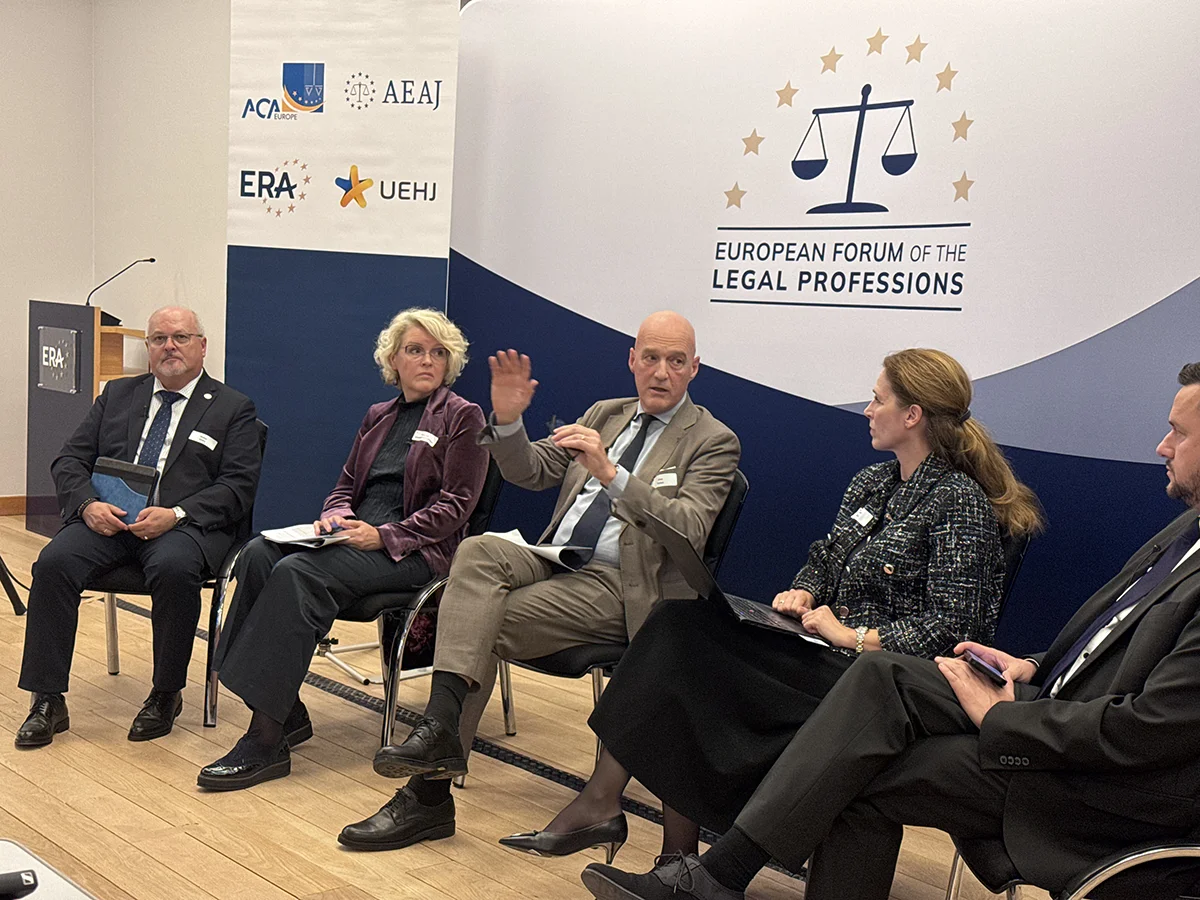
European Forum of the Legal Professions
November 2025 | Hybrid in Brussels
The EUFLP is a platform for structured dialogue among legal professions in Europe, encouraging collaboration on shared challenges and the development of practical solutions. Hosted by ERA, it gathers the main legal and judicial stakeholders at EU level: the European Network of Councils for the Judiciary (ENCJ), the Council of Bars and Law Societies of Europe (CCBE), the European Association of Judges (EAJ), the Association of European Administrative Judges (AEAJ), ACA-Europe, the Network of the Presidents of the Supreme Judicial Courts of the EU, the European Union of Judicial Officers (UEHJ) and the European Union of Rechtspfleger (EUR). The fourth annual conference of the EUFLP was hosted by the Belgian Council of State and held on 14 November, with more than 450 participants joining online or in Brussels. This year’s topic, ‘The Need for Constant Vigilance: The Role of the Legal Professions in Maintaining Democratic Values’ examined various viewpoints of the representatives of the legal professions. The welcoming words by ERA’s Director, First President of the Belgian Council of State, Wilfried Van Vaerenbergh, and the keynote speech by Ana Gallego Torres, Director General for the European Commission, Directorate-General Justice and Consumers, were livestreamed through ERA’s LinkedIn account.
The Annual Conference in European Criminal Justice
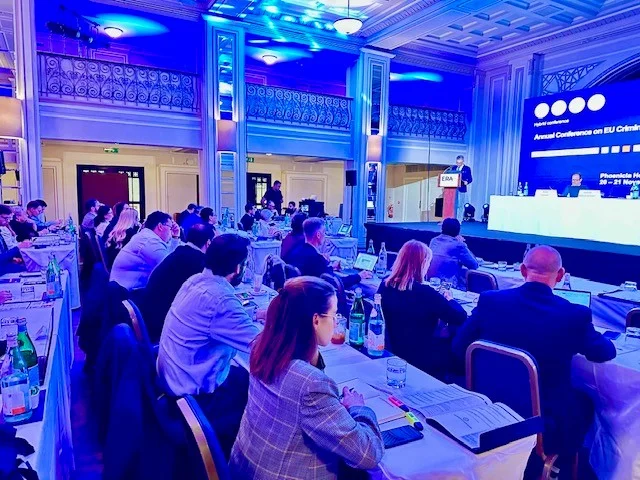
November 2025 | Hybrid in Valletta
The Annual Conference on European Criminal Law took place in Valletta, in collaboration with the Judicial Studies Committee (JSC) of Malta, on 20-21 November 2025. The event served as a platform for legal practitioners to exchange experiences regarding current developments and future initiatives in the field of EU criminal justice. This year’s conference highlighted the impact of artificial intelligence on the criminal justice system. Additionally, it addressed the European Public Prosecutor’s Office (EPPO), defence rights, new EU legislation on e-evidence, the (ab)use of bitcoins (a form of digital currency), and crimes in the digital age. High-ranking representatives from EU institutions, along with academics and national experts, engaged in discussions on key priorities within the Area of Freedom, Security and Justice for the coming years. With a record-breaking 95 participants registered, this event marked a significant achievement.
Meeting of the Governing Board
November 2025
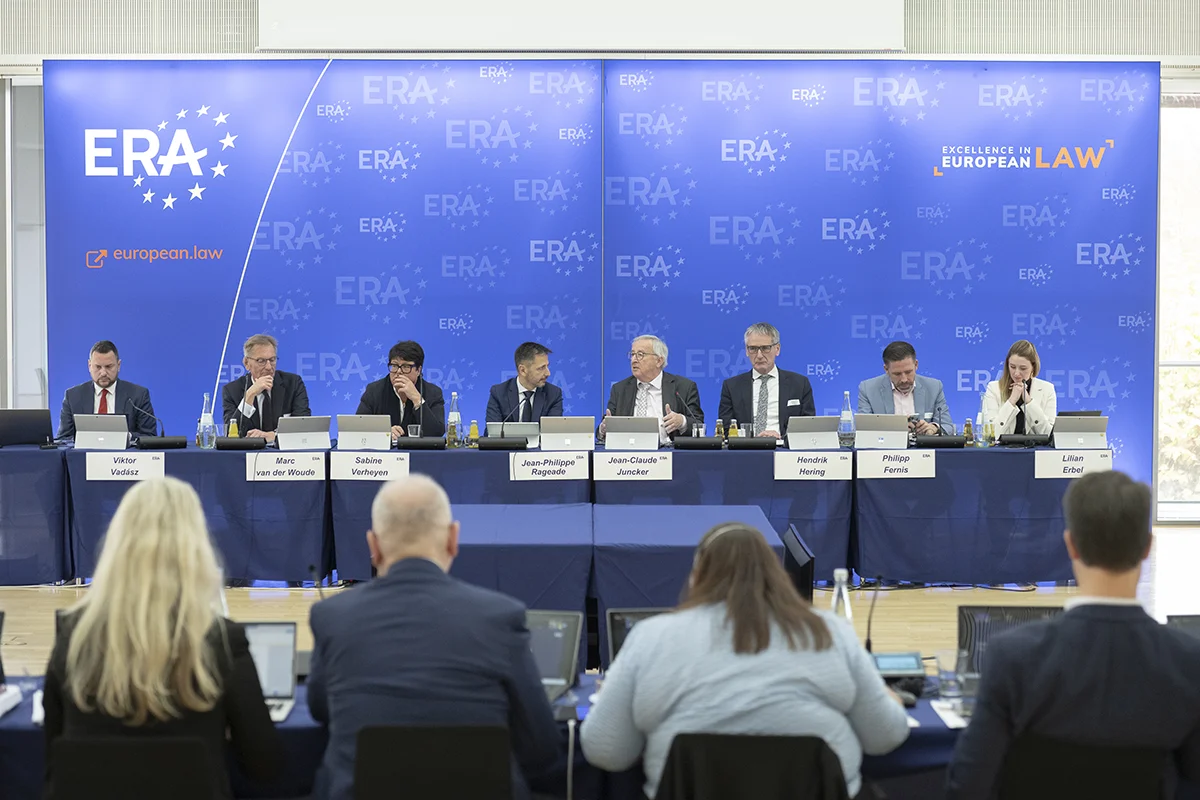
On 10 November, ERA’s Governing Board convened at the foundation’s headquarters in Trier under the leadership of President Jean-Claude Juncker.
Among the guests present were Marc van der Woude, Chair of the ERA Board of Trustees and President of the General Court of the EU, Sabine Verheyen, Chair of ERA’s Political Advisory Board and First Vice-President of the European Parliament, and Milan Hodás, State Secretary of the Slovak Ministry of Justice. Joining online were Dariusz Mazur, Undersecretary of State at the Polish Ministry of Justice, and Nenad Vujić, Serbian Minister of Justice.
The agenda included the approval of the 2024 accounts and the adoption of the 2026 budget. A central focus was the 2026 Action Plan, which translates ERA’s 2021–2027 Development Strategy into concrete measures. The plan aims to improve outreach and visibility, particularly among younger legal professionals, strengthen ERA’s financial stability, promote sustainability, and accelerate digitalisation across its activities.